
 EN

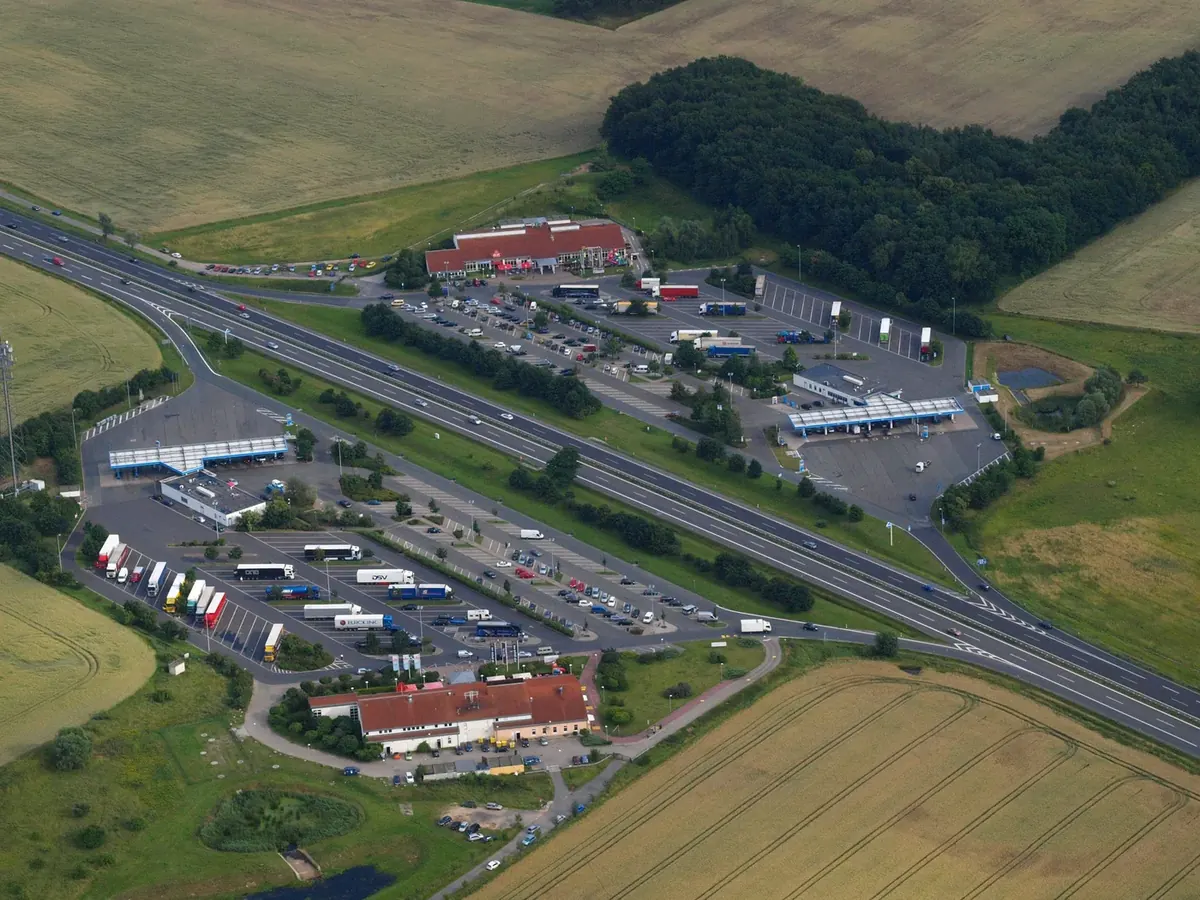
A move from Spain to Europe is not won only at loading. It is won on the road: where you stop, how you rest and how you protect the truck overnight. After more than 25 years on these corridors, we know that a good stop prevents delays and surprises.
Why plan stops before leaving
On Madrid–Berlin or Madrid–Bucharest you drive 10–14 effective hours each way, split into days. The driver cannot improvise: they need secure areas with toilets, food and room to manoeuvre a loaded truck. Stops are part of the quote, like fuel and tolls.
Corridors and rest areas we use
Madrid → France
The Burgos–San Sebastián–Irún axis has service areas every 30–40 km. In France, aires de repos are frequent, but not all are monitored at night. For trucks we choose large areas near Bordeaux, Poitiers or Lyon with fuel and separate truck parking.
Madrid → Portugal
The A-5 to Badajoz and the Elvas crossing is one of the easiest routes. Traffic is lighter than on the French axis and tolls are controlled. For Lisbon, stop before crossing the Tagus and avoid rush hour.
Madrid → Germany and Austria
Through France and Belgium to Cologne, or via Switzerland and Munich to Salzburg and Vienna. German Raststätten are well equipped, but truck parking fills from mid-afternoon. We book early stops and avoid Alpine sections at night.
Madrid → Italy
The French Mediterranean coast and Alpine tunnels define the route. Refuel and check tunnel status before crossing into Italy. Italian aree di servizio are frequent, though some close at night.
Paradores and secure parking
When the route requires an overnight stay, many clients ask about paradores and hotels with parking. Spain's Paradores network is a comfortable first-night option on routes to Portugal or southern France. In Europe, roadside hotels with closed truck parking are the best choice; we never leave the load in unmonitored industrial estates.
Rest, tachograph and relief drivers
Professional drivers comply with driving and rest times. On long routes we schedule relief drivers and two drivers when distance requires it. If you travel with children or pets, we adapt stops and avoid marathon days.
What we always carry
- Inventory and loading note.
- Vehicle documents, insurance and permits.
- Blankets, film and securing material.
- Driver phone and trip tracking.
- Water, food and a basic first-aid kit.
How we organise it
Before departure we study roads, tolls, borders and rest areas. The driver informs you of arrival and stays reachable during the trip. For an estimate, use the distance calculator or request a free quote.